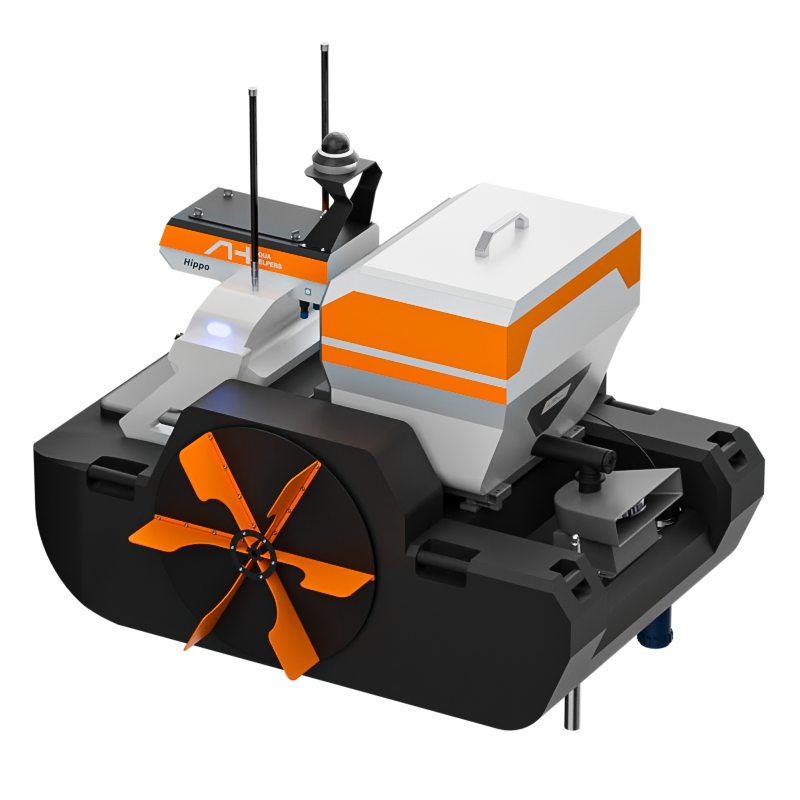
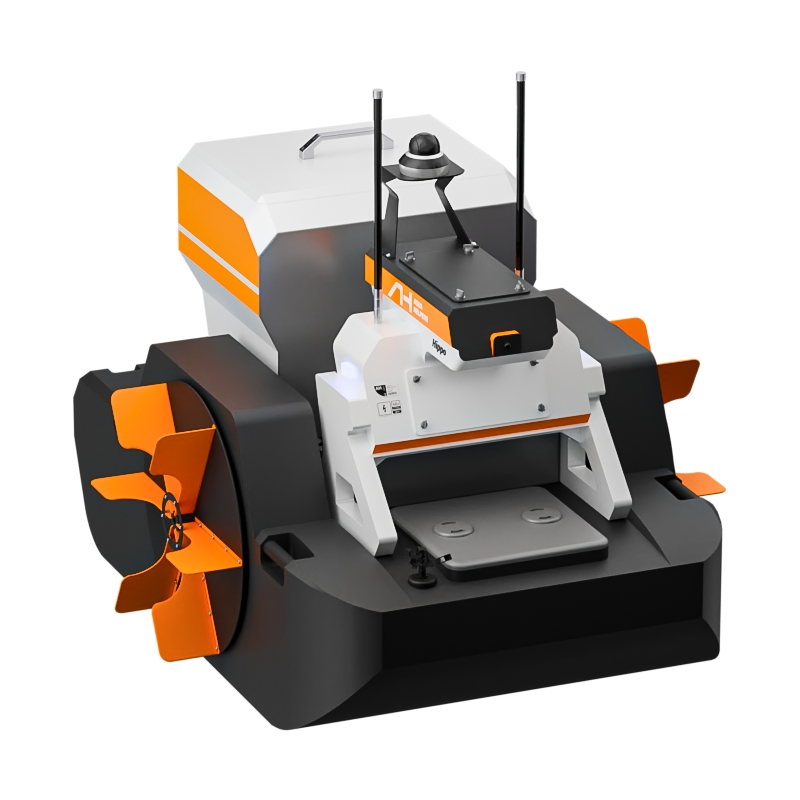
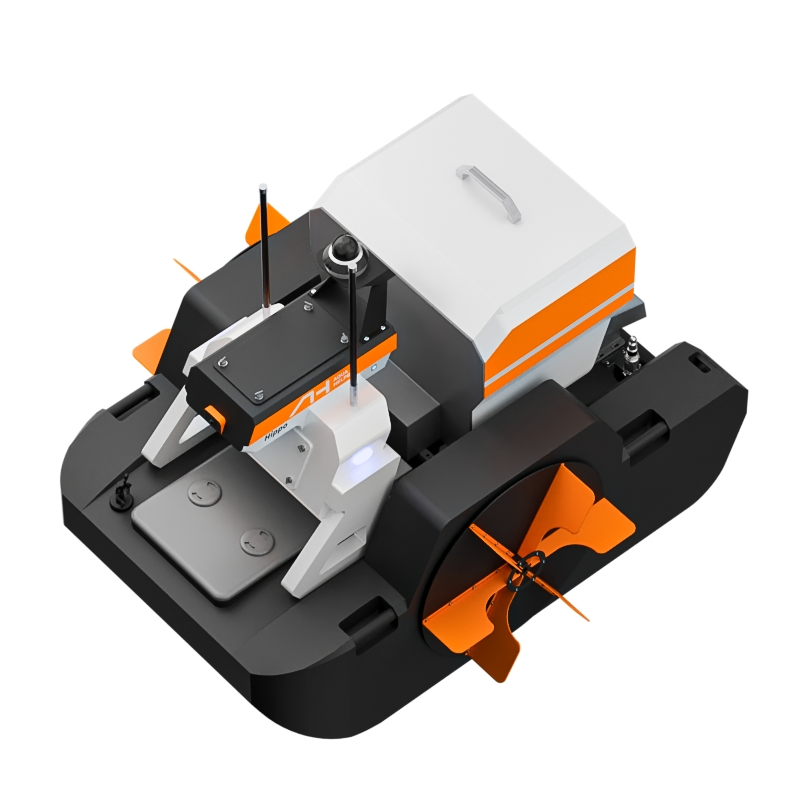
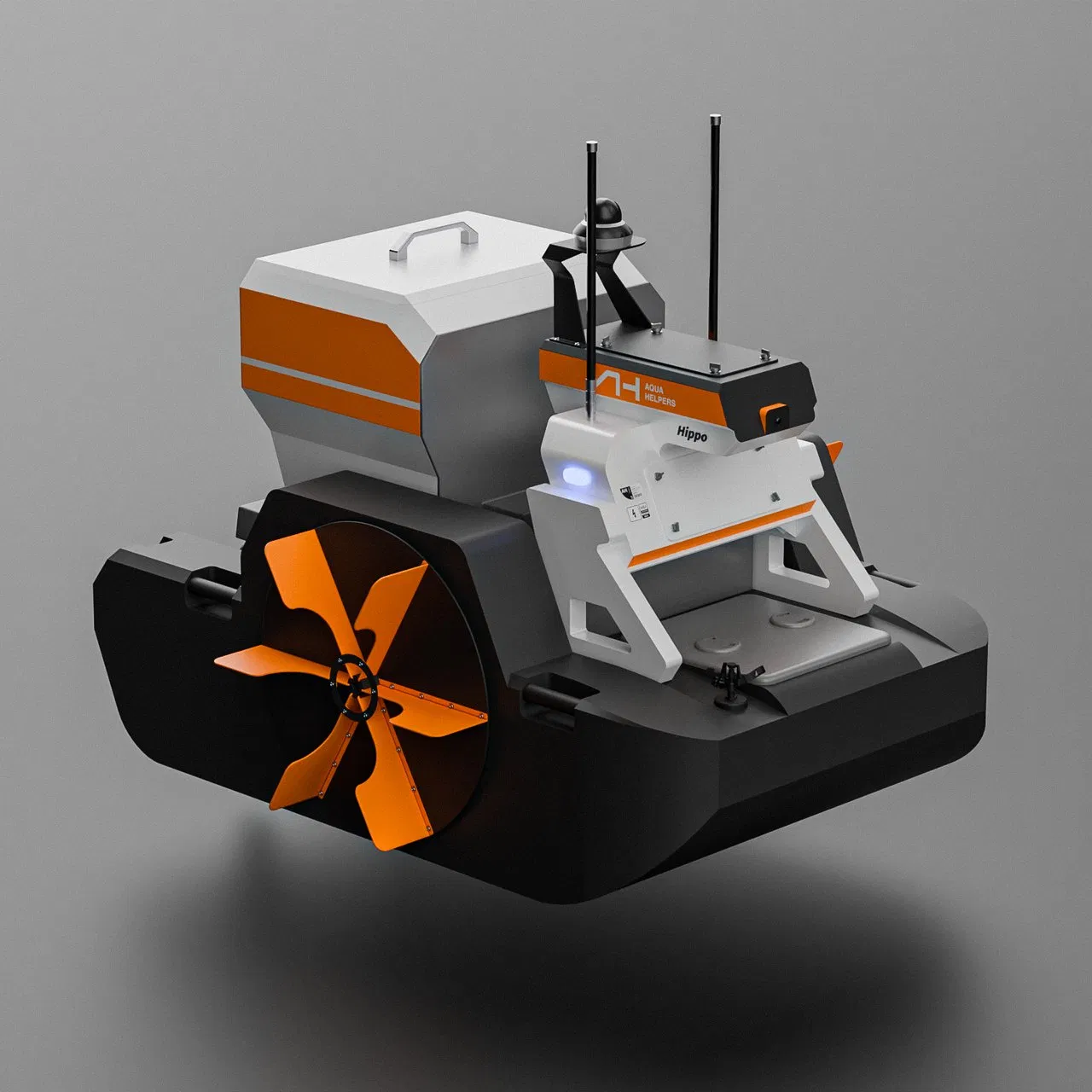
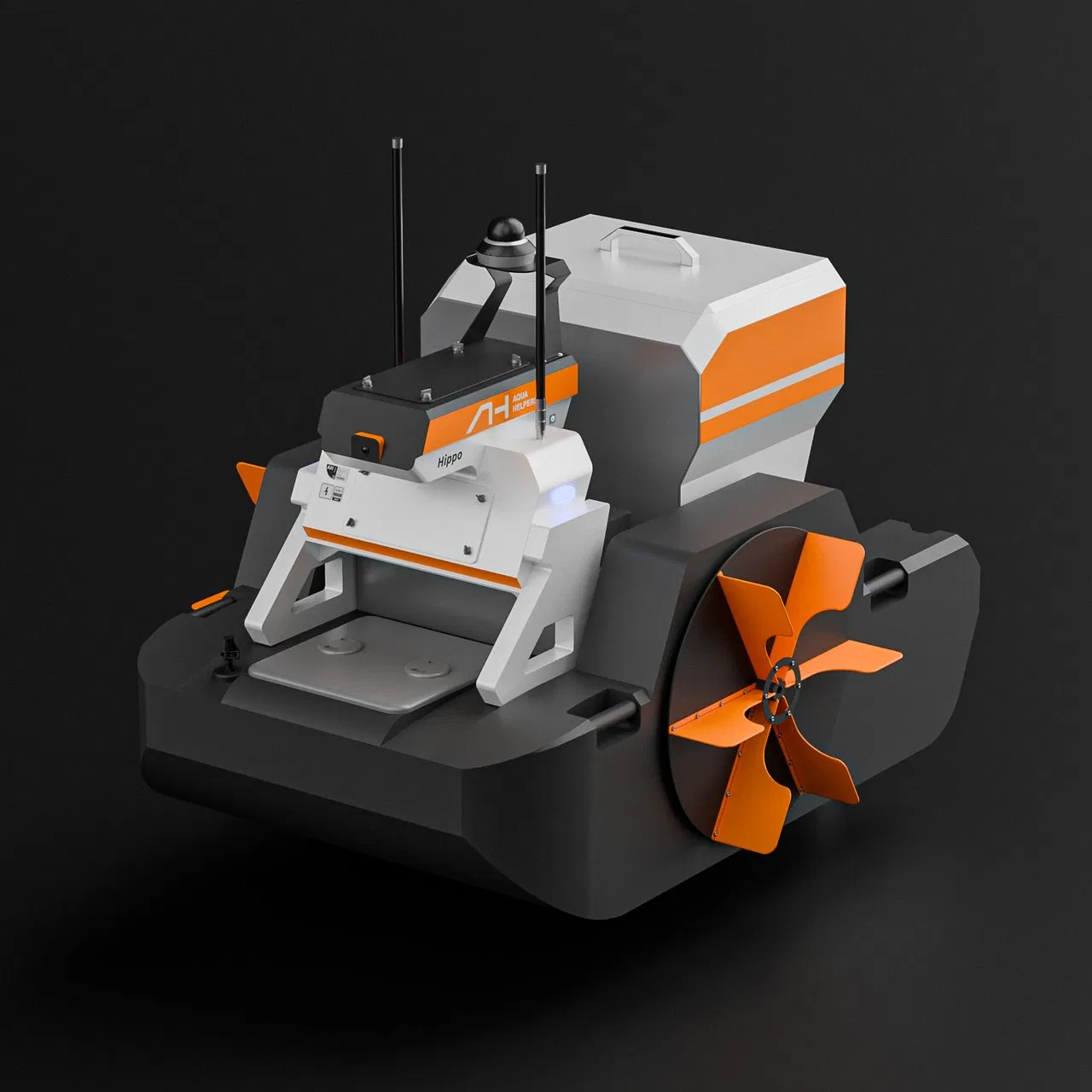
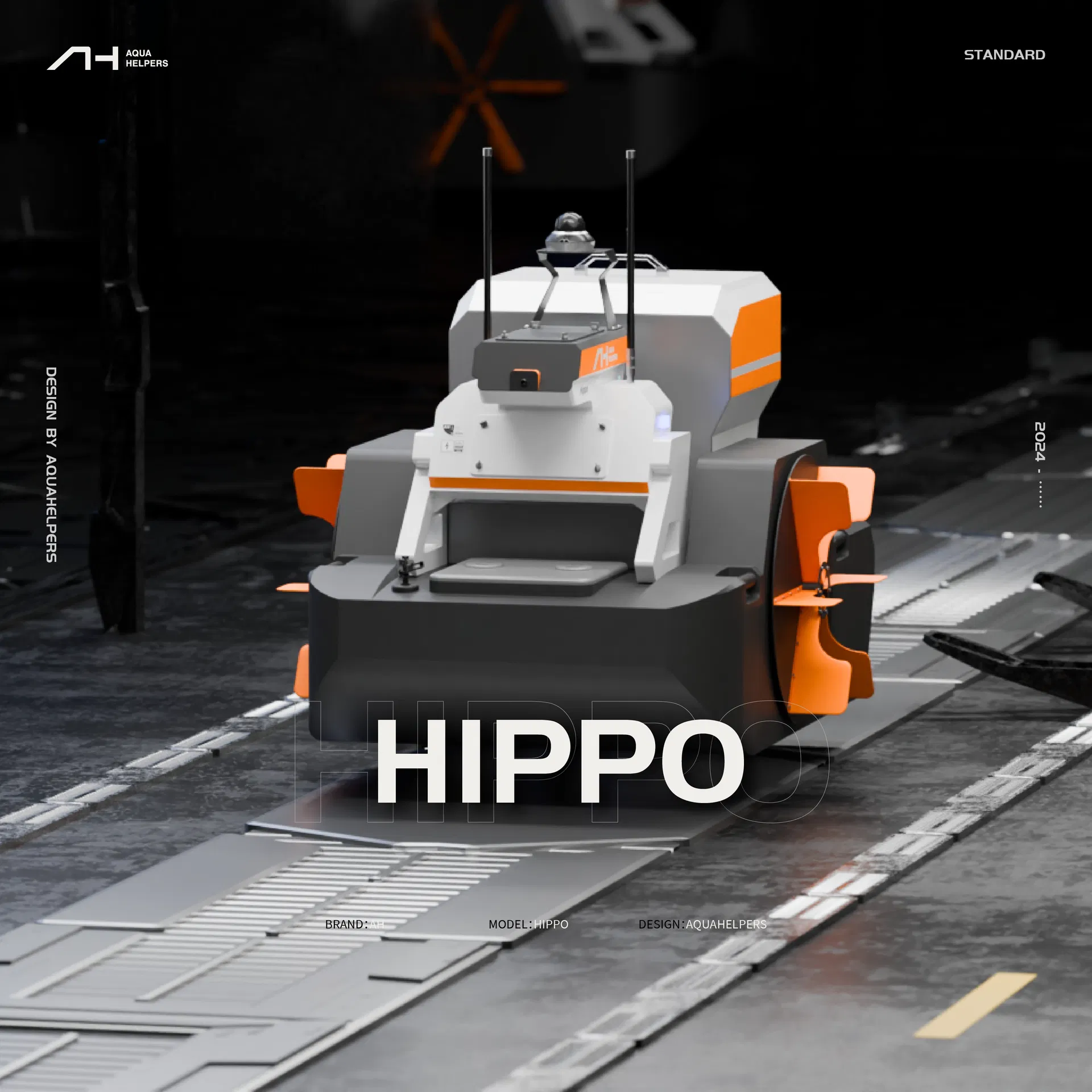
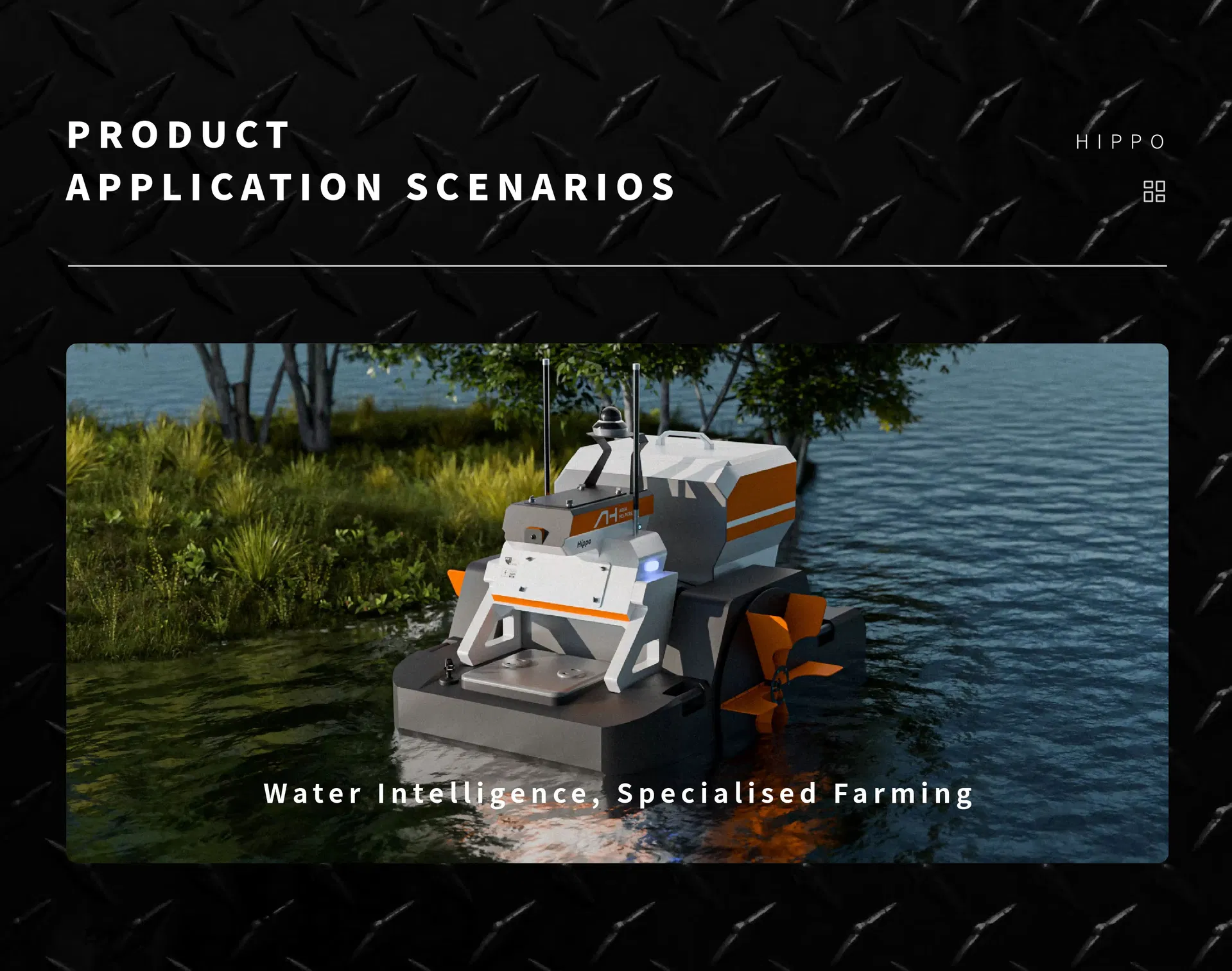
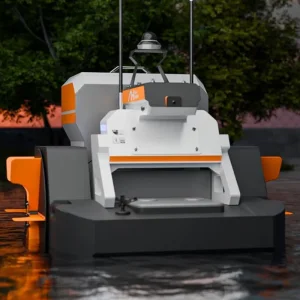
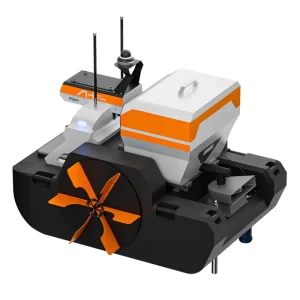
Autonomous Aquaculture Feed Spreader with Real-Time Water Quality Sensors Usv

Customization: Available
After-sales Service: Online Support, Spare Parts, Remote Training
Warranty: 1 Year

Product Description

📋
Basic Information
Model NO.HIPPO
TypeUnmanned Surface Vehicle
Accuracy GradeHigh
Working ModeFully Automatic, Manual
Maximum Load400kg
Weight140kg
Battery TypeLead-Acid Batteries 24V (2PCS)
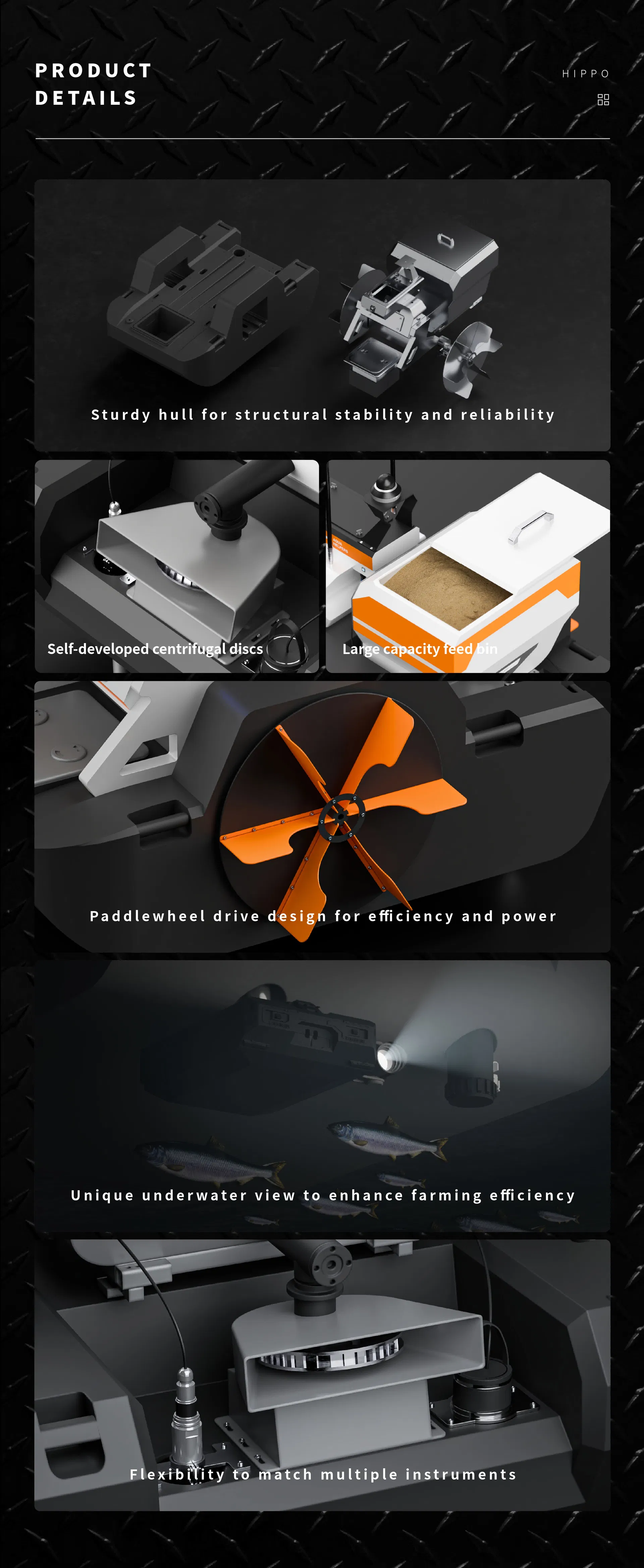
Feed Bin Capacity190L
Medicine Bin Capacity16L
MaterialPolyethylene, Aluminum Alloy
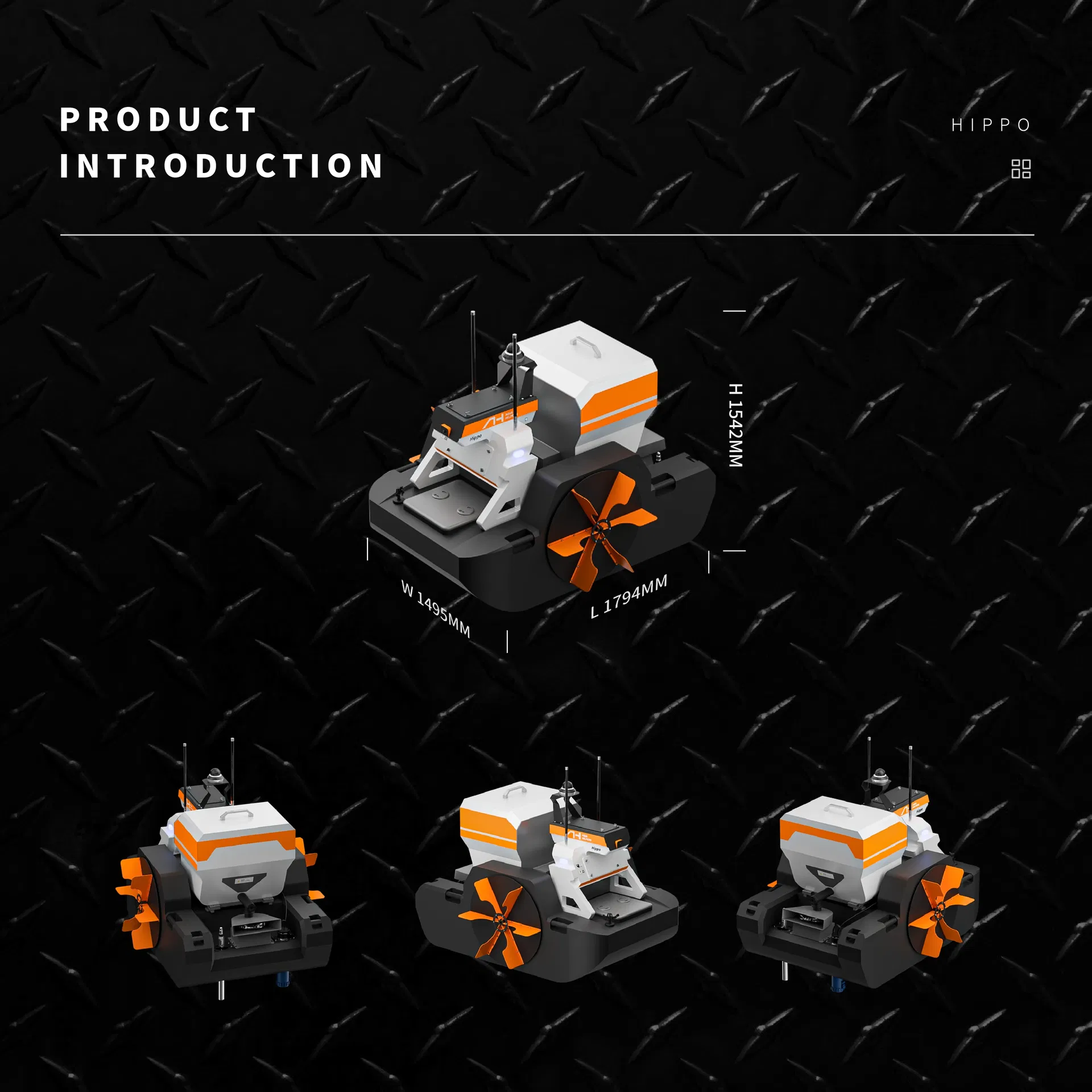
Dimensions (mm)1794 x 1495 x 1542
🔍
Product Overview
USV Detail 1
USV Detail 2
USV Detail 3
USV Detail 4
⚙️
Technical Specification
Hull MaterialPolyethylene, Aluminium alloy
Draught250mm
Speed2m/s
Battery Life6h
Power TypeBrushed motor + Paddle wheel
🏭
Technology & Development
Video Cover

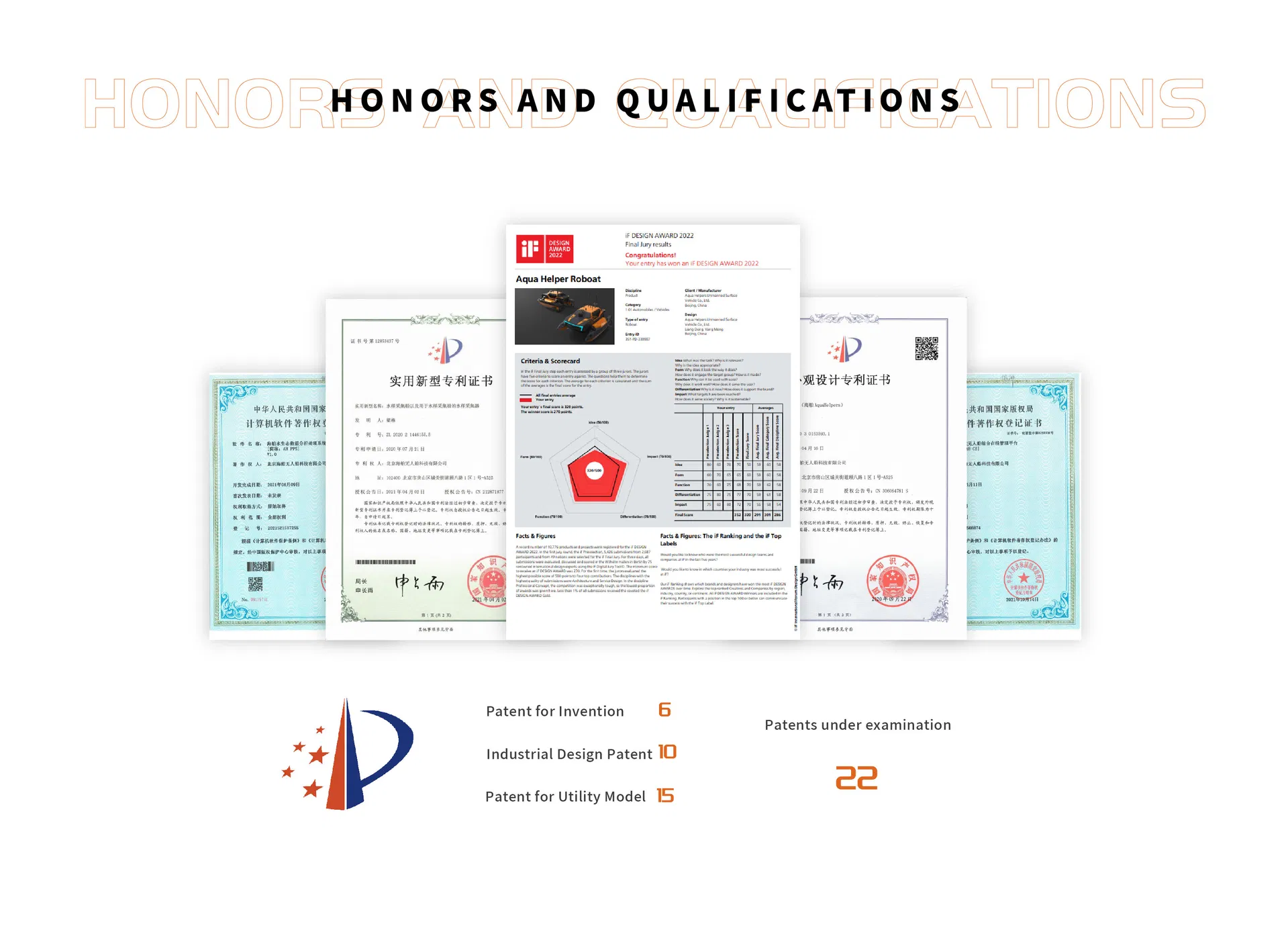
Founded in 2019, this high-tech enterprise specializes in intelligent unmanned surface vessels (USVs). By integrating AI, big data, and smart sensors, we deliver autonomous water monitoring and data solutions. Our USV product lines are widely used in environmental monitoring, hydrology, and security. With extensive deployments and multiple patents, we are committed to leading the future of intelligent water management globally.
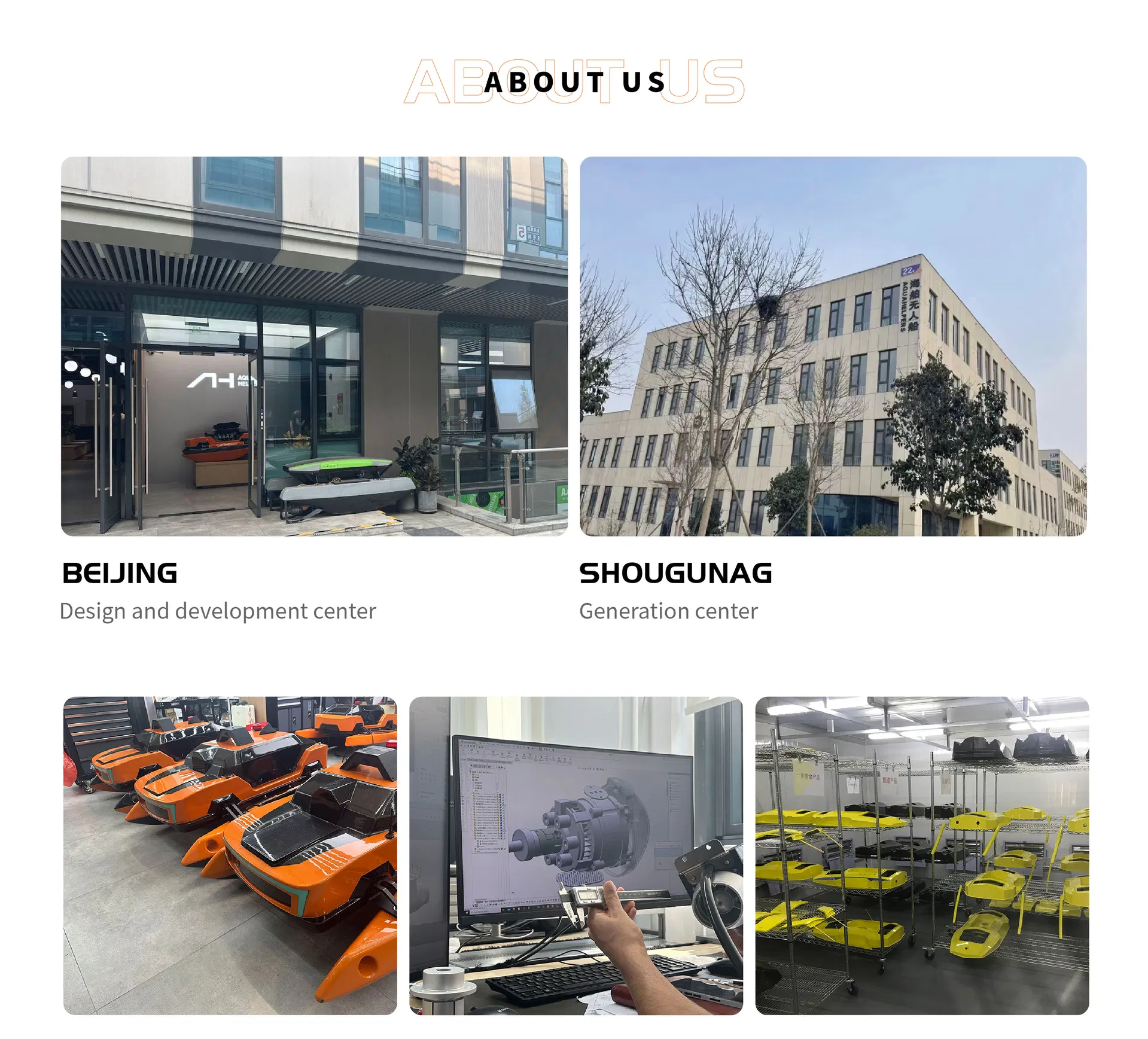
Manufacturing Center
🏆
Certifications & Exhibition
Certification
Partners
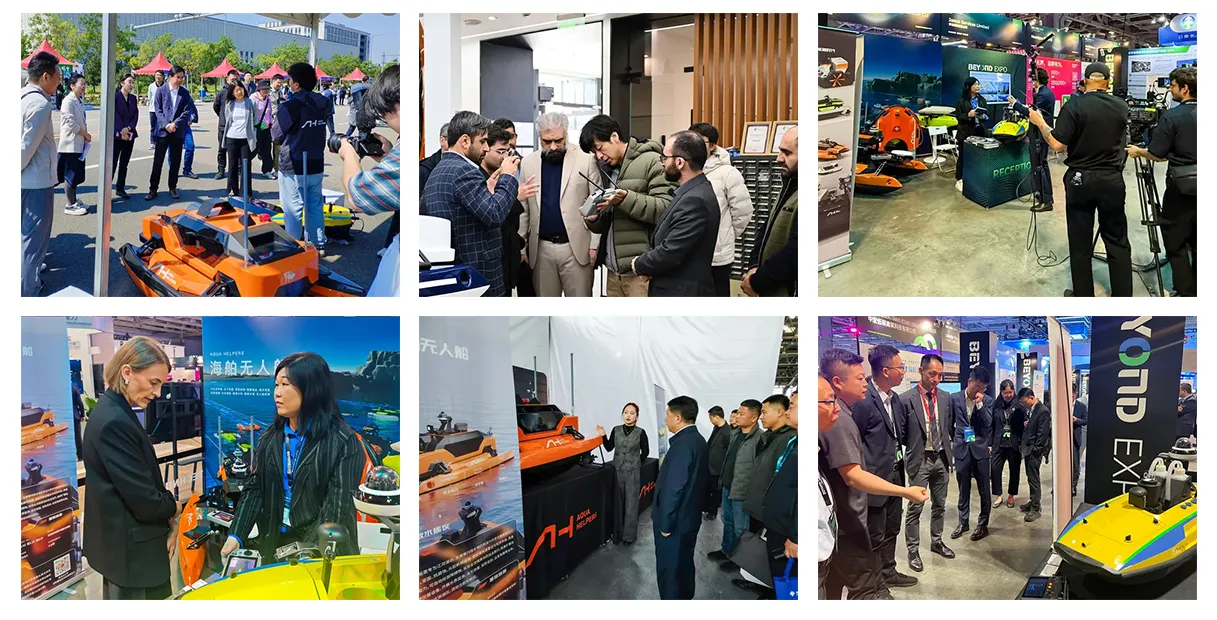
Exhibition
Frequently Asked Questions
1. What is an Unmanned Surface Vessel (USV)?
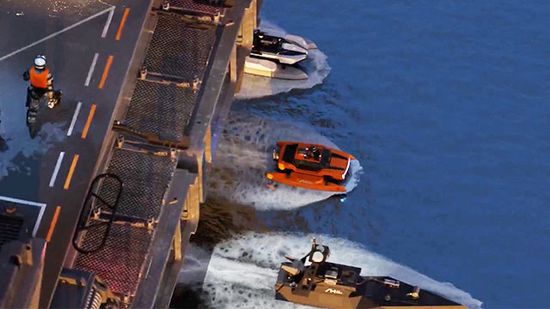
A USV is an autonomous or remotely operated boat designed for water-based tasks without an onboard crew. It is ideal for environmental monitoring, data collection, and security patrols.
2. What are the primary applications for the HIPPO model?
The HIPPO is specifically designed for aquaculture feeding, water quality monitoring, hydrological mapping, and lake or reservoir inspections.
3. Can the vessel navigate autonomously?
Yes, our USVs feature GNSS positioning, obstacle avoidance, and route planning for fully autonomous missions, though manual remote control is always an option.
4. What is the typical battery endurance?
Standard runtime ranges from 4 to 12 hours depending on the load and mission complexity. Optional battery packs are available for extended operations.
5. Which water conditions are suitable for operation?
The vessel is optimized for inland rivers, lakes, reservoirs, ports, and calm coastal areas. It handles both urban and complex tidal environments efficiently.
6. What types of data can be collected?
The system supports multi-sensor integration, including pH, turbidity, DO sensors, echo sounders, LiDAR, and high-definition cameras.

Related Products